TEAM COMPLETE LANTRA PEATLAND RESTORATION AHEAD OF DELIVERY AMBITIONS ACROSS NORTH AND MID WALES
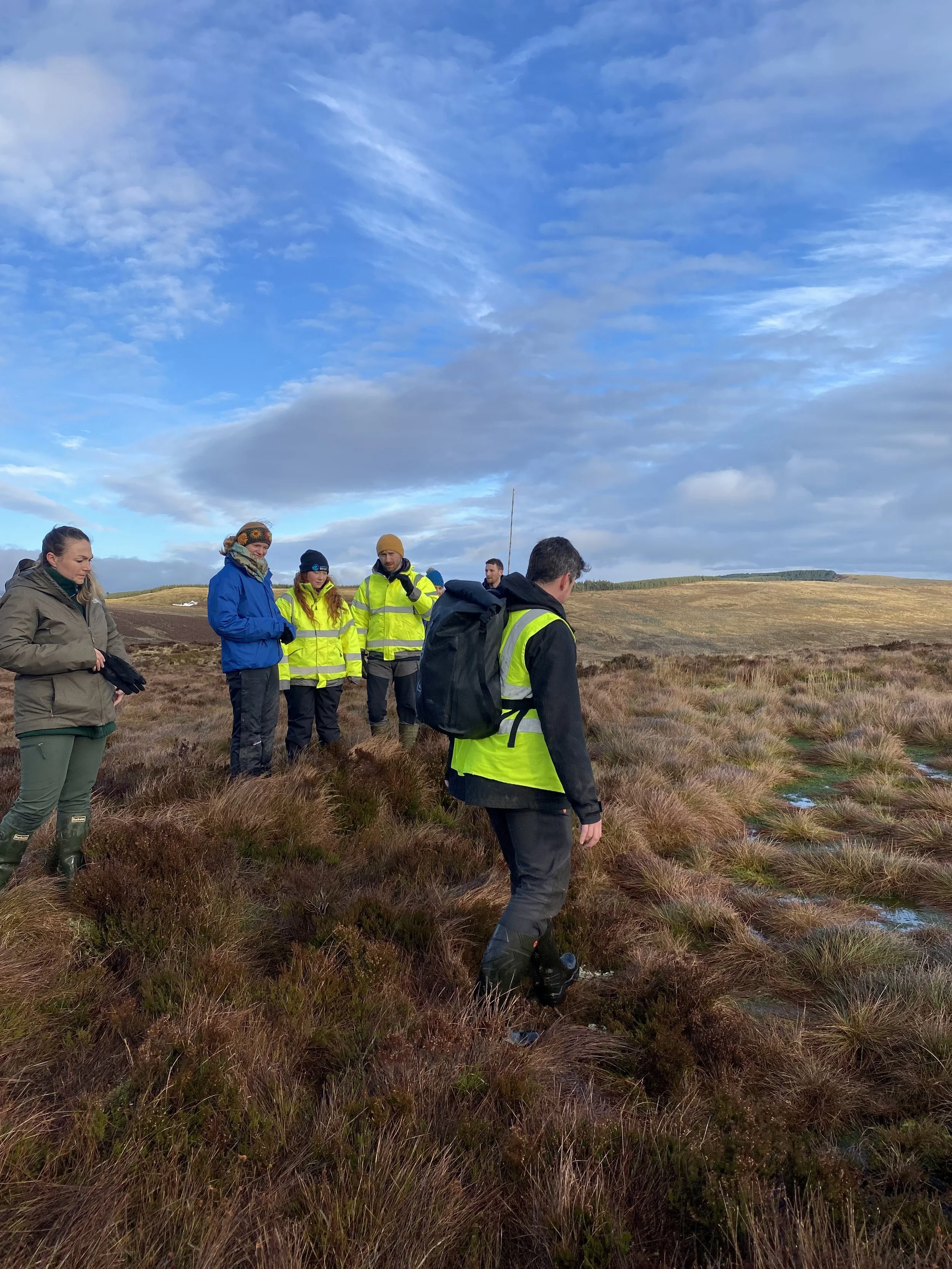
Earlier this month the restoration team attended a Lantra Introduction to peatland restoration course, led by the RSPB at Lake Vyrnwy. This was a fantastic training course, that has upskilled the team and prepared them to carry out peatland restoration works in the near future.
Why are peatlands important?
Peatlands are vital ecosystems covering only 3% of Earth’s land but storing 30% of soil carbon, twice as much as the world’s forests combined. They are important habitats for many specialized flora and fauna, including rare birds, insects, and carnivorous plants. In regards to river health, healthy peatlands act as natural flood management, regulating water flows, filtering, and protecting downstream ecosystems.
What is the problem with peatlands?
Peatlands are now among the UK’s largest sources of land-use greenhouse gas emissions, ~5% of total GHG emissions.
80% of peatland in Wales is in poor condition, and only 50% is in designated areas.
Habitat degradation causes the loss of the waterlogged and nutrient poor conditions that create a unique habitat that is home to rare and/or declining species.
Peatlands occupy 12% of the UK’s land area and provides 25% of the drinking water. Unhealthy peatlands exacerbate flooding and drought effects.
What can we do to restore them?
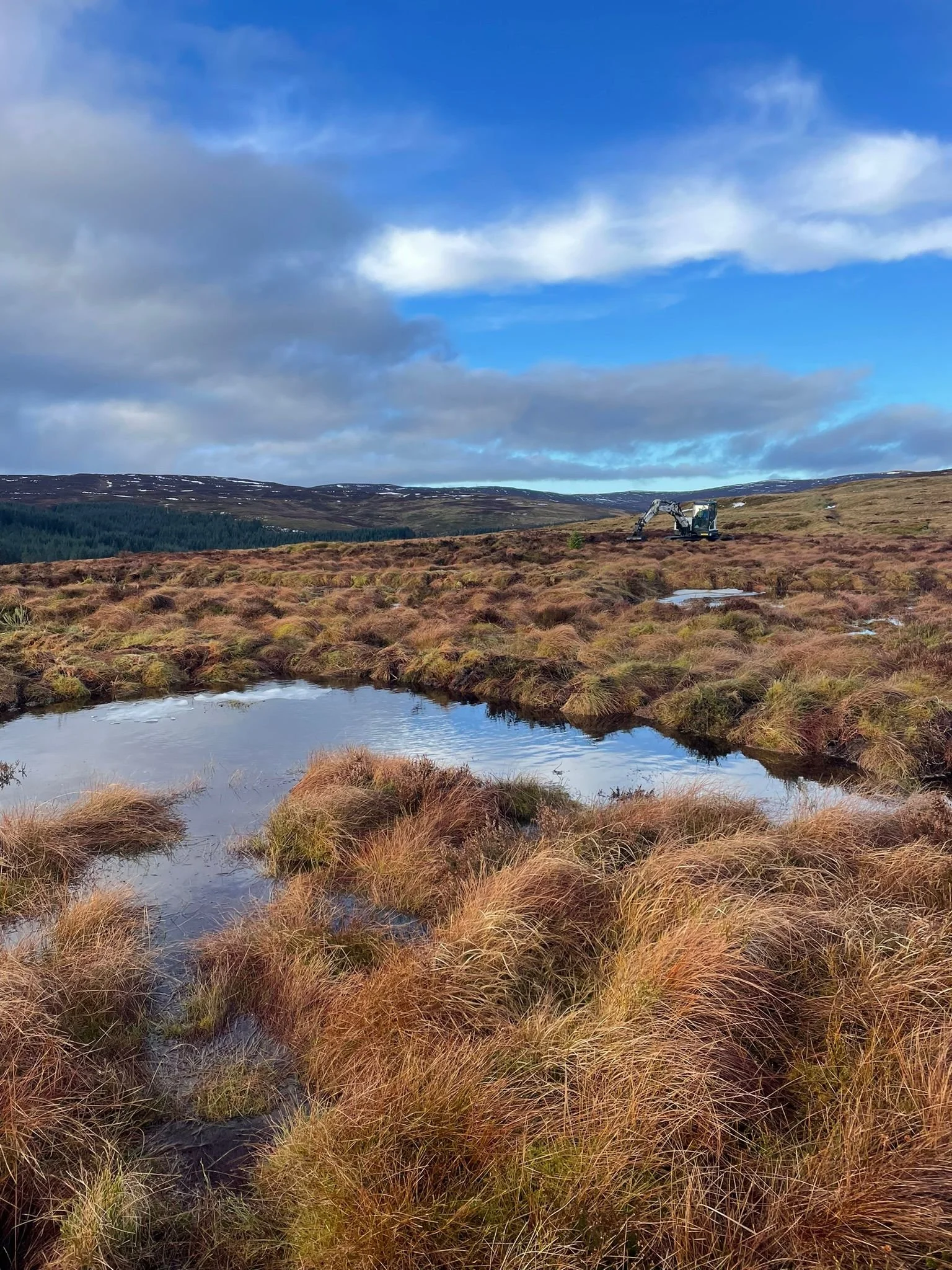
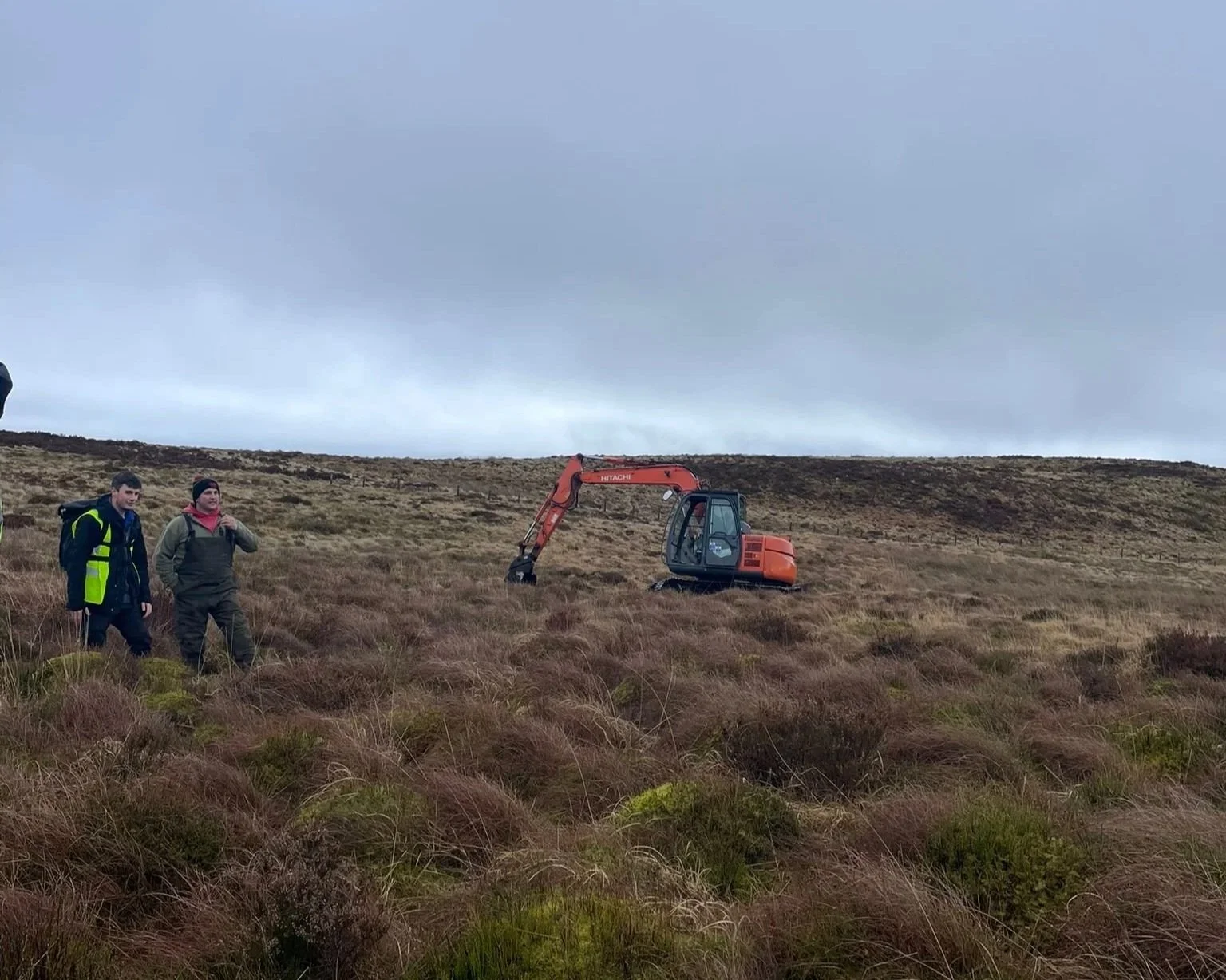
A wet bog is a happy bog, therefore rewetting is a key part of restoration efforts. In upland areas we can block drains and eroding features, which slows the flow of water off the hill, keeping the bog boggier. We can restore hydrology by damming gullies, blocking ditches and reprofiling hags across entire areas.
If you are interested in working with the North Wales Rivers Trust on peatland restoration please get in touch.