
Wales’ habitats are in trouble: what the new assessment tells us
Published today the Wales Habitats Regulations 9A Summary Report (2019–2024) — is an important document that deserves far more public attention than it is likely to get.
This report brings together, for the first time, a Wales-wide statutory assessment of the condition of habitats and species protected under the Habitats Regulations. In simple terms, it tells us how nature in Wales is actually doing.
The big picture
61 habitats were assessed across Wales, Of these:-
Only 2 are in favourable condition
48 out of 61 habitats — nearly 80% — are in unfavourable-bad condition
A further 9 habitats are classed as unfavourable-inadequate
In other words, 57 of Wales’ 61 protected habitats are not in good condition.
The report shows that the majority of Welsh habitats are now in unfavourable condition. Many are not just struggling, but continuing to decline. Among the worst affected are freshwater, wetland and upland habitats, with rivers, lakes and bogs all performing badly.
This is particularly concerning given that Wales has declared both a Climate Emergency and a Nature Emergency. Today’s report makes clear that, despite strong policy language, nature loss is still accelerating in many places.
Freshwater habitats under pressure
Rivers and wetlands stand out in the assessment as being in especially poor condition. Pressures include:
Physical modification of rivers and watercourses
Changes to flow and abstraction
Water quality impacts
Development pressures on sensitive sites
These pressures rarely occur in isolation. Instead, they accumulate, slowly eroding ecosystem function until recovery becomes extremely difficult.
Fish, rivers and the wider ecosystem
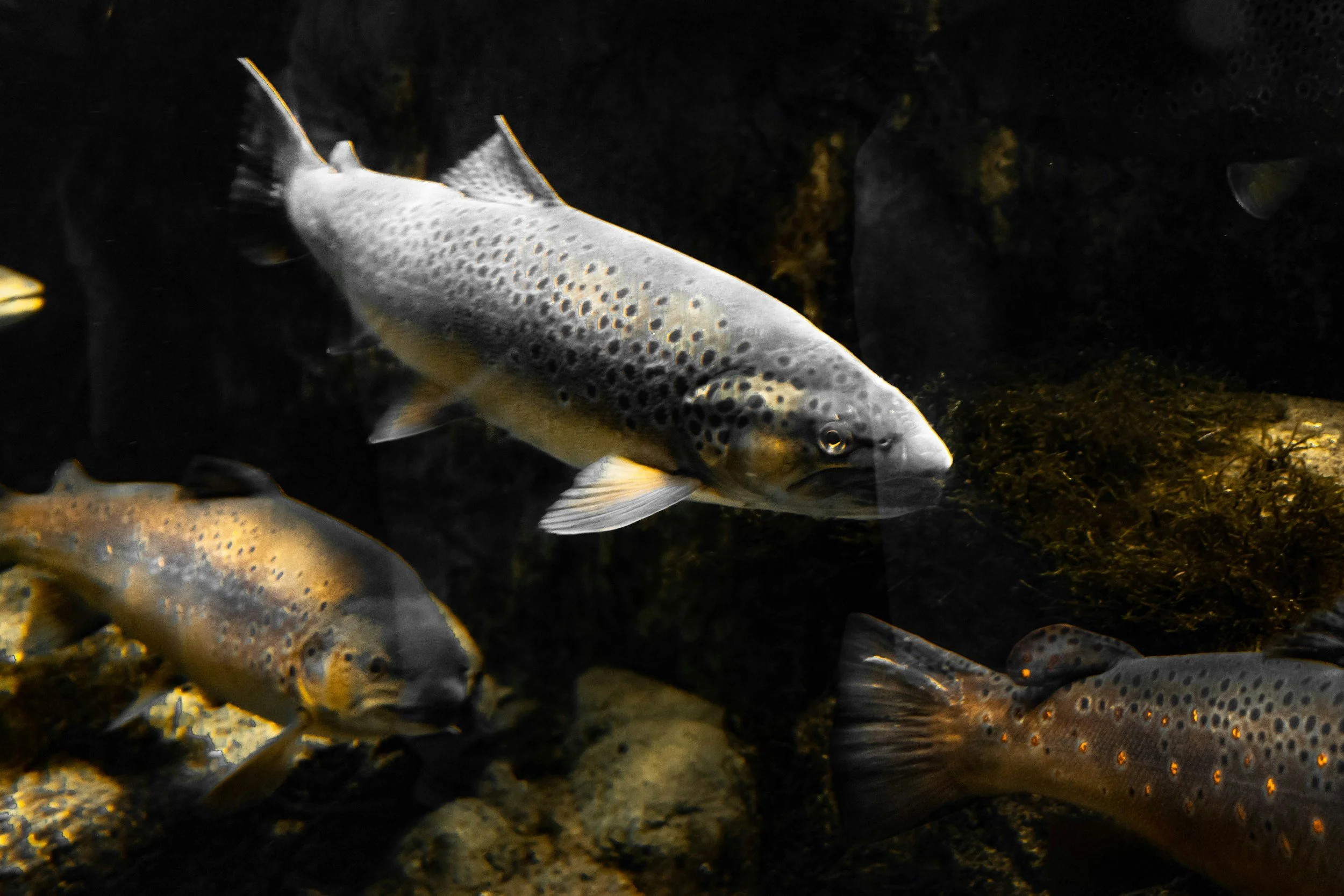
The assessment published today makes clear that freshwater habitats are among the most degraded in Wales, and this has direct consequences for fish populations, including salmon, sea trout and other species that depend on free-flowing, well-functioning river systems.
Barriers to flow, altered hydrology, abstraction and physical modification all feature prominently among the pressures identified. These impacts affect:
Fish migration and spawning success
Juvenile survival and habitat availability
Water temperature and oxygen levels
The resilience of river systems to climate change
Crucially, fish do not exist in isolation. Healthy fish populations depend on intact river processes, from sediment movement to invertebrate communities and riparian habitats.
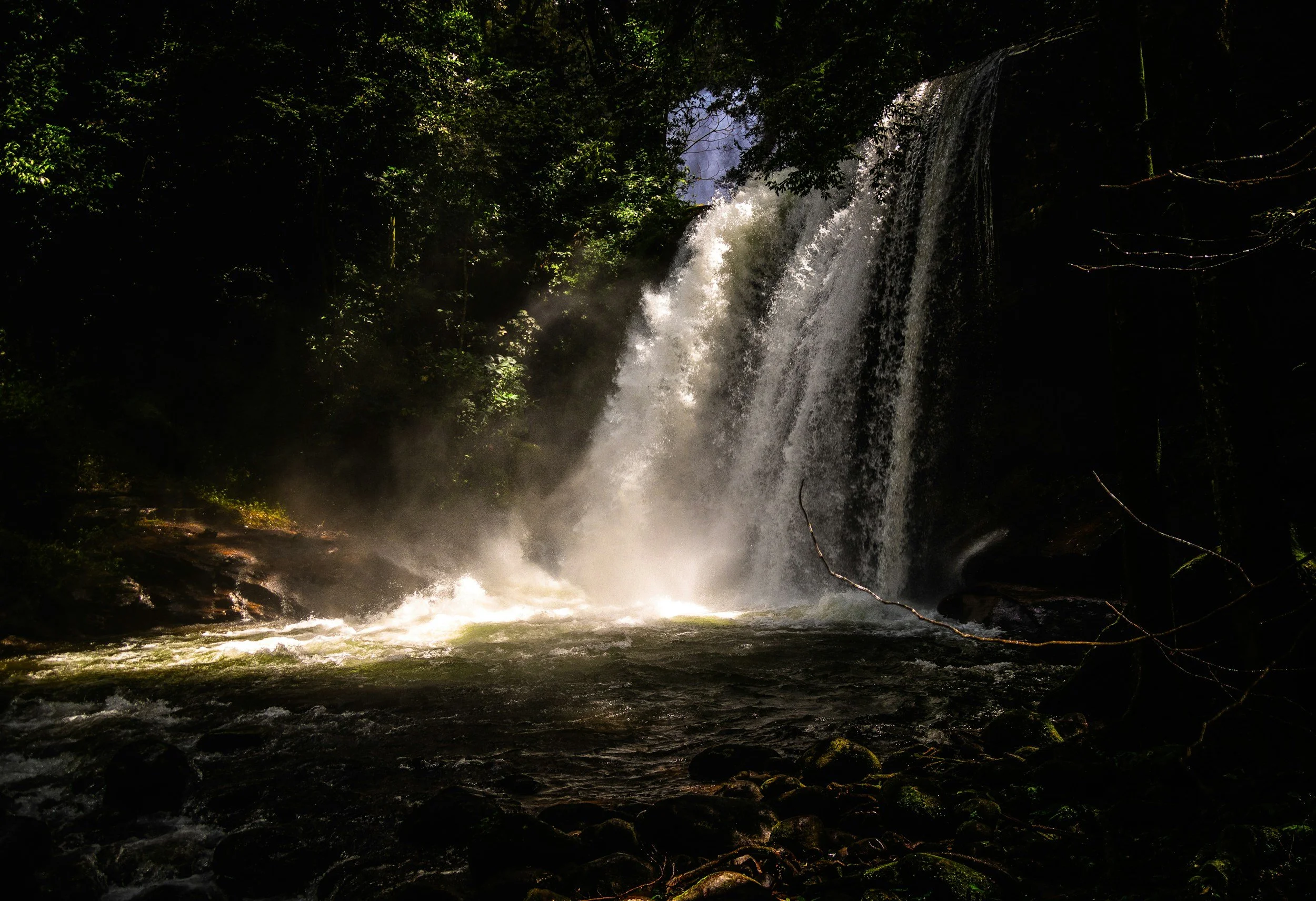
Alongside fish, the report highlights non-vascular plants mosses, liverworts and lichens as being disproportionately represented among habitats in unfavorable and declining condition. These species are characteristic of river gorges, waterfalls and spray-zone environments, and they act as an early warning system for ecological damage.
When these plants are lost, it is a signal that hydrology, humidity and microclimate have been fundamentally altered,changes that also undermine fish habitat and wider biodiversity.
Taken together, the decline of both fish populations and sensitive plant communities tells a consistent story: our rivers are being pushed beyond their limits.
Why this matters now
The evidence published today is meant to inform real decisions , about planning, development and how Wales applies its own protections for designated sites.
When proposals affect river flow, connectivity or geomorphology, the question is not simply whether energy or development is delivered, but what is lost in the process — and whether that loss is reversible.
Why this report matters for decisions being made now
This assessment is not just a scientific snapshot. It is intended to inform planning decisions, policy interpretation and ministerial judgement. It provides the evidence base against which claims of “exceptional circumstances” or “overriding public interest” should be tested.
In short: when decisions are being made that could affect protected habitats, this is the evidence that should be front and centre.
Where to read the report
The full Wales Habitats Regulations 9A Summary Report (2019–2024) was published today and is publicly available here:
👉 Natural Resources Wales / Habitats Regulations 9A Report for Wales 2019-2024
While it is a technical document, the executive summary is readable and well worth time for anyone interested in the future of Wales’ natural environment.
A moment for honesty
Today’s report asks an uncomfortable but necessary question:
are we genuinely aligning climate action, development and nature recovery — or are we still making trade-offs where nature consistently loses? In practice, that means regulators enforcing the standards, polluters being consistently held to account, and planners applying existing policy as it was intended ensuring development does not proceed at the expense of protected habitats and irreplaceable natural sites. It also means the highest environmental standards being expected, and met, as a matter of course.
If Wales is serious about reversing nature loss, this evidence cannot be quietly noted and set aside. It must shape the decisions we make next.
