
Restoring the Afon Crewi
Tackling Historic Lead Pollution
Action underway
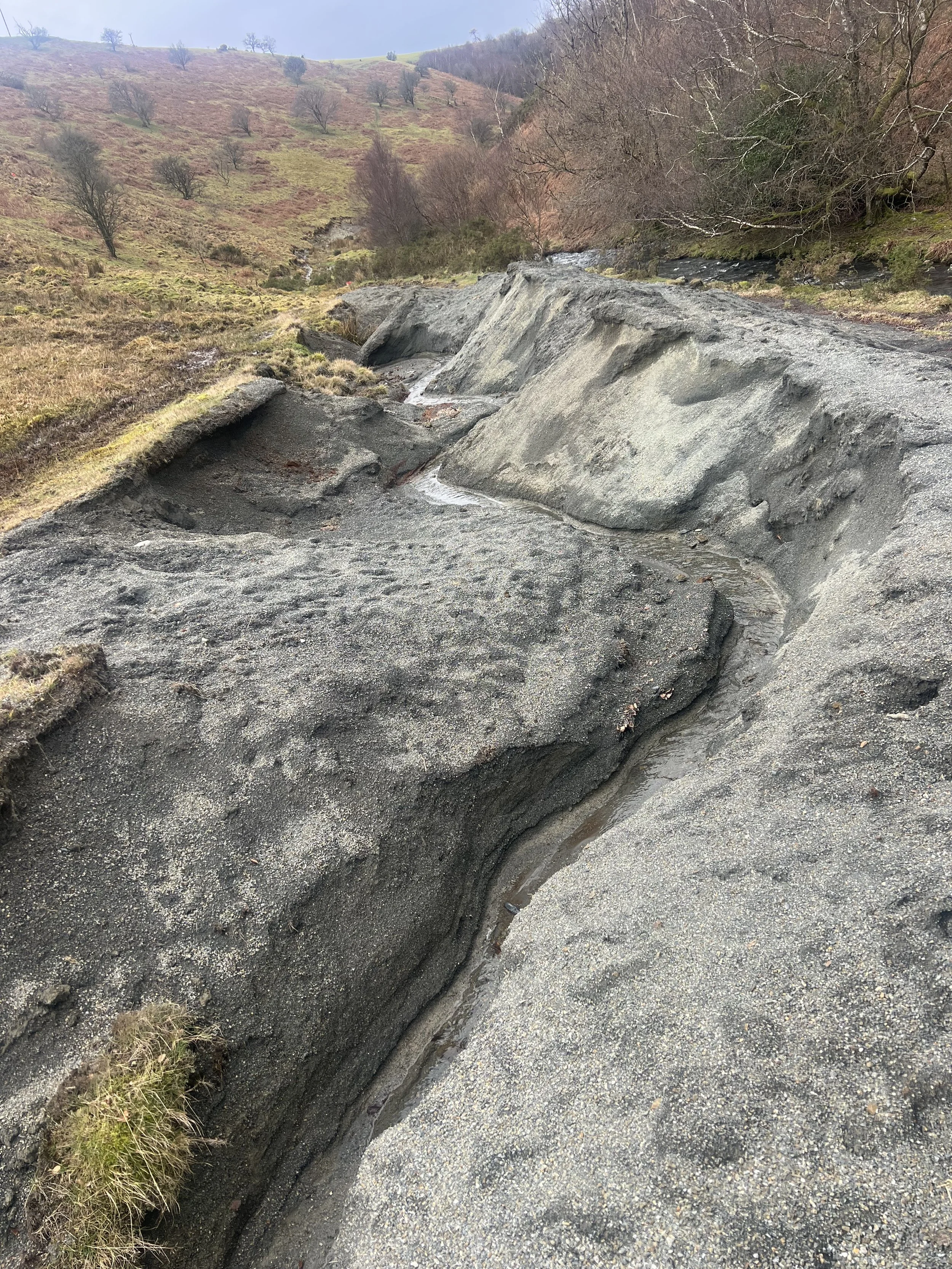
North Wales Rivers Trust is working in partnership with Natural Resources Wales and the Mining Remediation Authority to reduce metal pollution entering the Afon Crewi from historic mine workings.
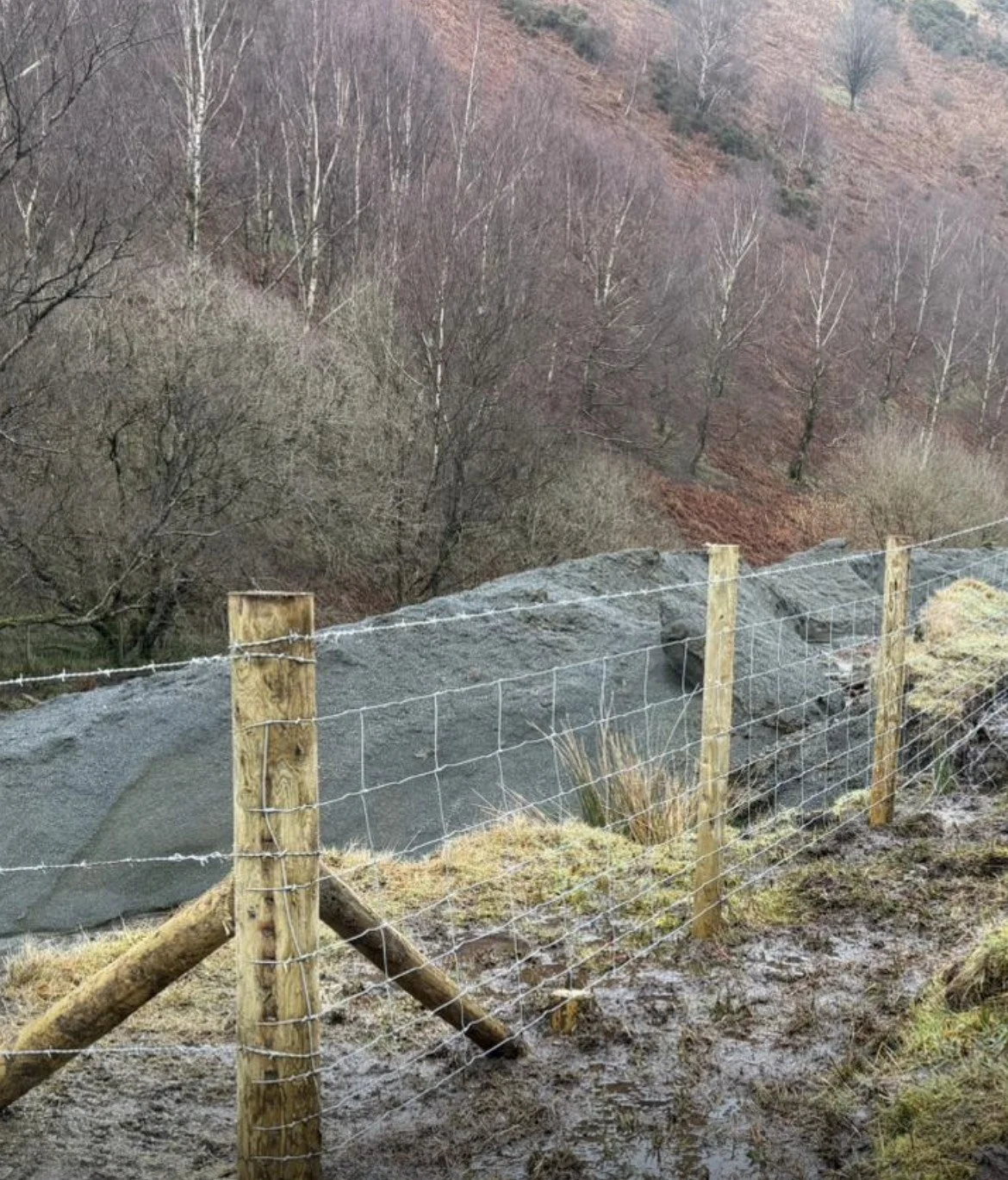
Our first phase of work focuses on removing cattle grazing from a lead spoil tip located directly above the river. Livestock trampling destabilises contaminated mine waste, increasing erosion and allowing fine, lead-rich sediments to wash into the watercourse during rainfall events.
By fencing and managing stock access, we are:
Reducing disturbance of contaminated material
Preventing further bank erosion
Allowing vegetation to naturally stabilise spoil
Reducing sediment delivery into the river
This practical, source-control approach marks the beginning of a longer-term restoration programme.
Phase one fencing scheme
The historic legacy
The pollution originates from 19th-century lead mining at Rhoswydol and Bacheiddon, in Powys.
These mines extracted galena (lead ore) from mineral veins in the uplands. When mining ceased in the late 1800s, spoil heaps and crushed waste rock were left exposed on steep slopes. Unlike modern mines, there was no restoration or containment of contaminated material.
Over generations, rainfall, grazing pressure and natural erosion have mobilised fine sediments containing elevated lead levels, which continue to enter tributaries of the Afon Crewi today.
This is a legacy issue — one that predates modern environmental regulation — but one that still affects river health.
Impact on fish and river life
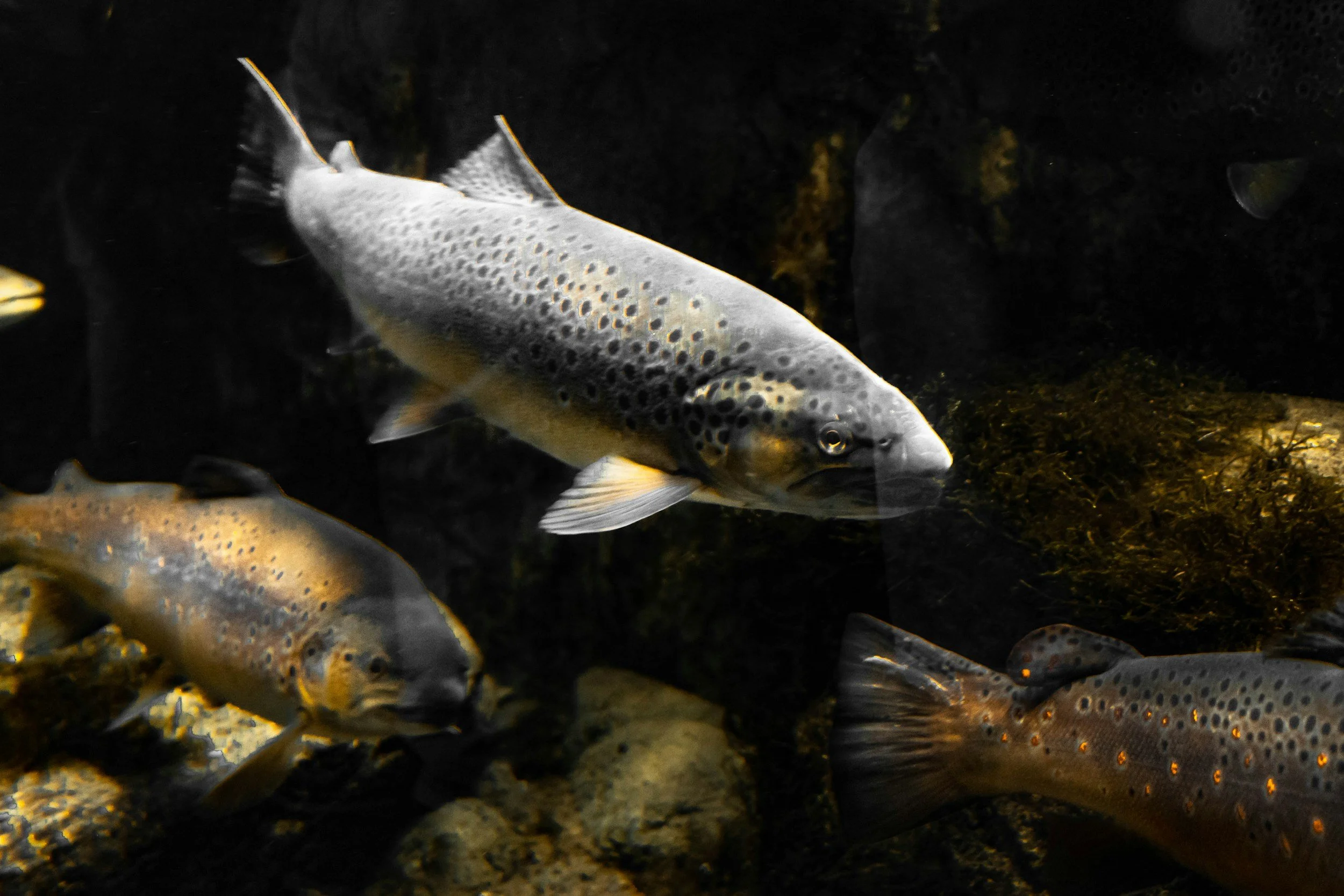
Elevated levels of lead and fine sediment can have serious consequences for river ecosystems. Dissolved and particulate metals can affect fish health directly, impairing growth, behaviour and reproduction, while fine sediment smothers gravel beds used by salmonids for spawning. When spawning gravels become clogged, oxygen levels within redds drop, reducing egg survival. Sediment also reduces invertebrate populations — a vital food source for juvenile fish — weakening the entire river food web. Reducing metal-rich sediment inputs is therefore critical to restoring a healthy, functioning fish population in the Afon Crewi.
Phase 2: Working with natural processes
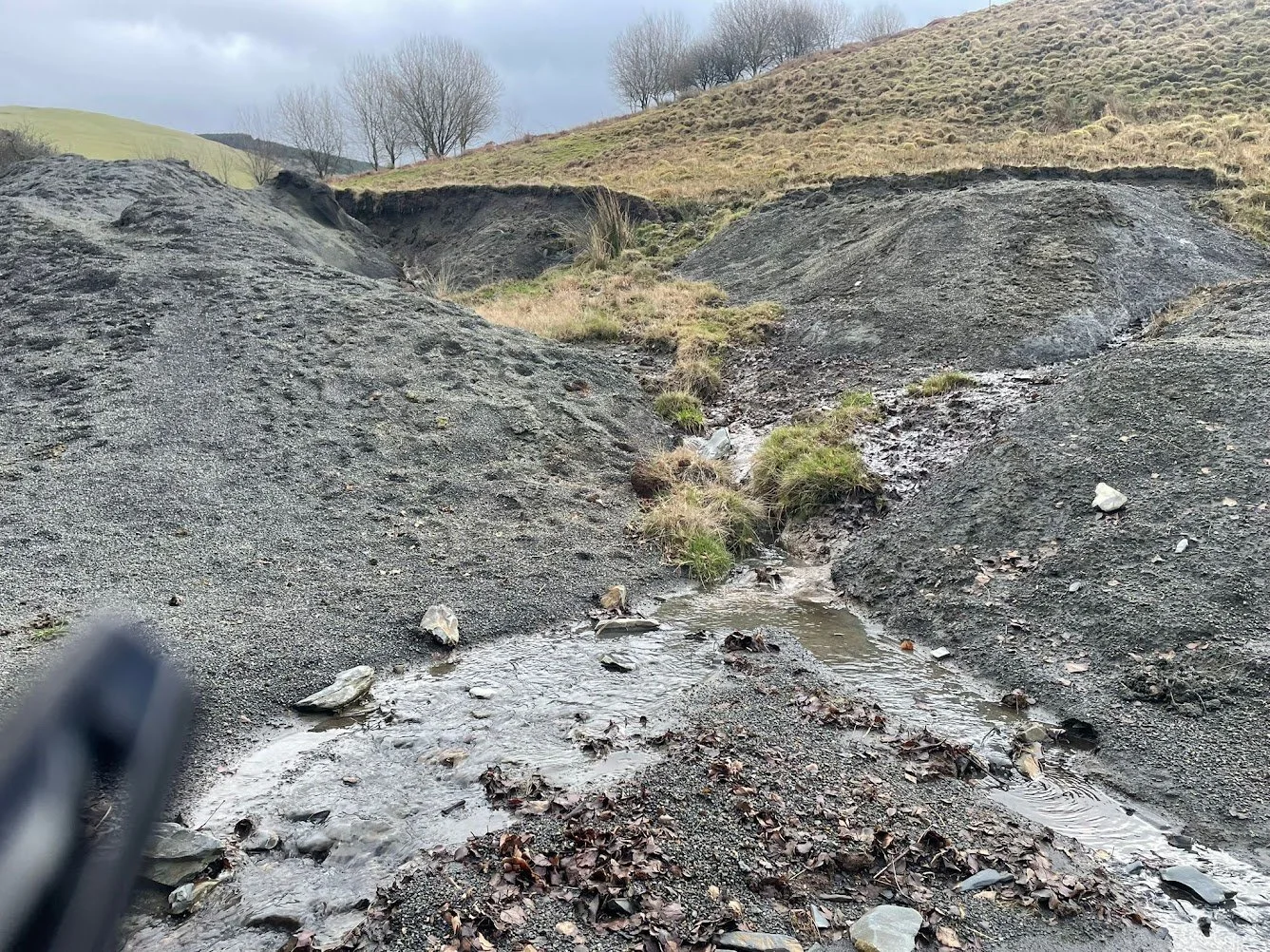
We are now developing Phase 2 proposals that use natural flood management techniques to further reduce sediment movement across the landscape.
Potential measures include:
Installing leaky dams to slow runoff and trap sediment upstream
Creating swales to intercept and filter overland flow
Installing brash hurdles to capture fine material
By slowing water, spreading flows, and trapping sediment before it reaches the river, these measures will help contain historic contamination while increasing resilience to heavier rainfall events.
