
connecting wildlife corridors on Ynys Môn
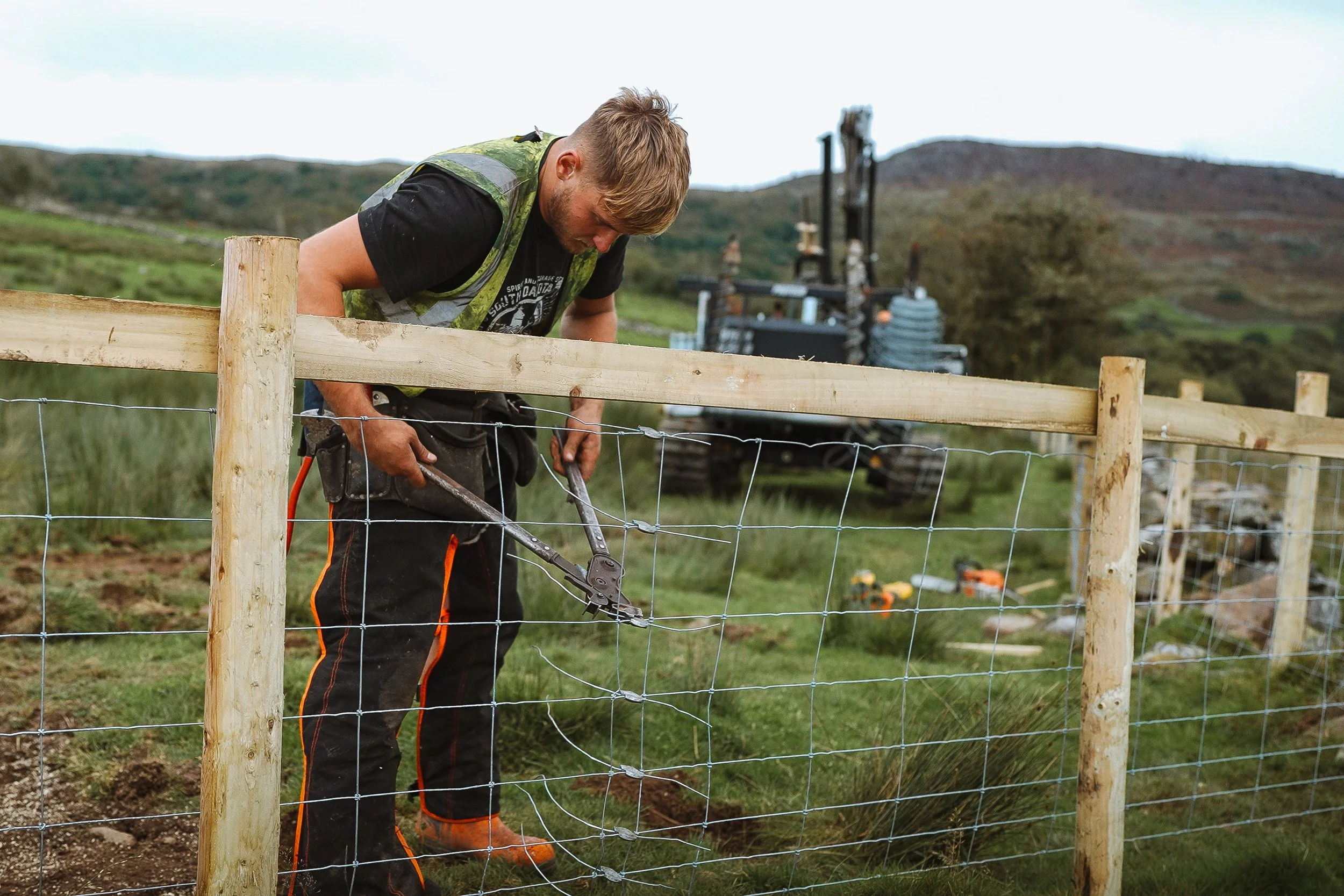
Over the past month, we’ve completed a series of riparian and important river restoration works across Ynys Môn. The focus has been on fencing, planting, and reconnecting habitat—the kind of work that delivers measurable improvements on the ground.
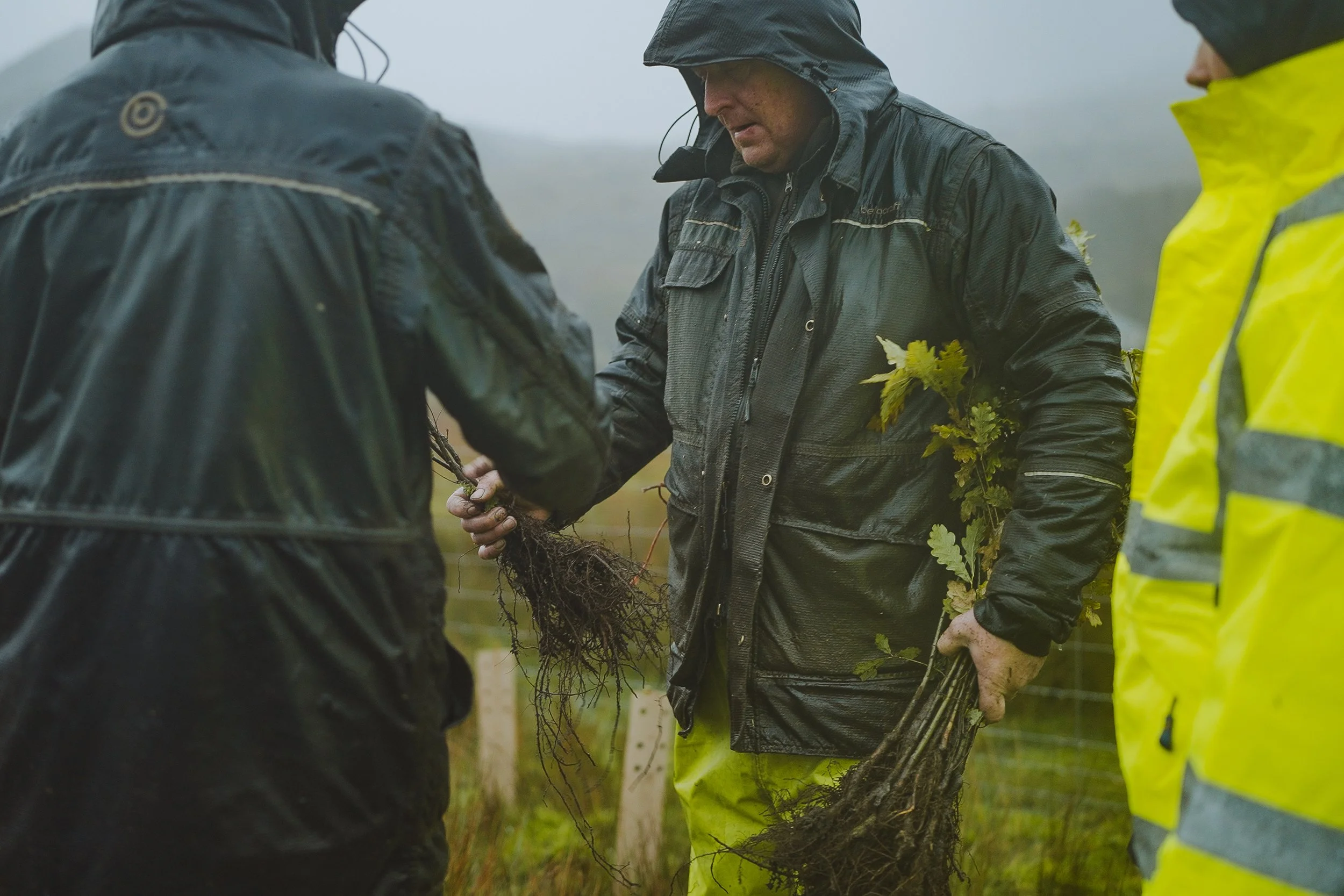
What we have delivered in March on Ynys Mon:-
2,000+ native trees and hedgerow plants installed
Over 3km of new wildlife corridor created
Multiple fencing schemes completed to exclude livestock from riverbanks
Work has been carried out on:
Afon Braint
Afon Wygyr (two separate reaches)
Afon Gŵna
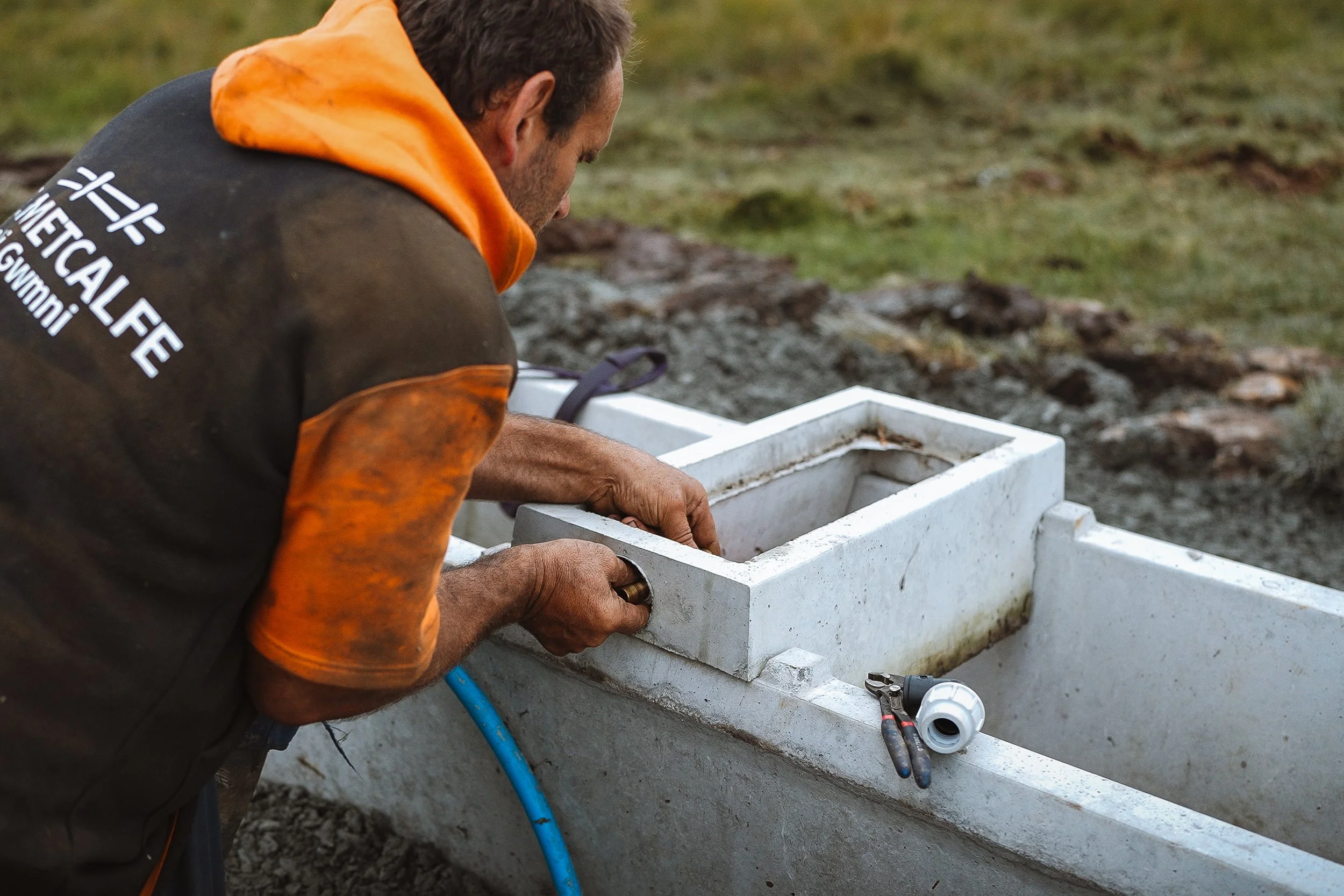
Livestock access to rivers leads to bank erosion, sediment input, and nutrient pollution.
Fencing:
stabilises riverbanks
reduces fine sediment entering the channel
allows vegetation to recover naturally
improves water quality
This is one of the most cost-effective interventions available.
The planting work is designed to do two things:
Create riparian buffer zones
Trees provide shade, reduce water temperature, and improve channel resilience.Link habitats
The 3km of new corridor connects previously fragmented sections of habitat.
This improves movement for species and increases overall ecological function.
Target species and outcomes
The works are expected to benefit:
migratory fish such as salmon and sea trout
otter
aquatic and terrestrial invertebrates
Improvements will come through:
better spawning conditions
increased invertebrate availability
reduced thermal stress in summer months
Next steps
We’ll continue:
extending fencing where gaps remain
increasing planting density in key areas
monitoring vegetation establishment and bank recovery
