
Protecting our rivers, strengthening riverbanks and building climate resilience
We have currently planning a series of December works across North Wales.
Restoration officers Jack and Elis have been supporting landowners with practical measures to protect rivers, improve water quality, and enhance wildlife habitats.
Work is ongoing in the Lledr (Conwy), Clywedog (Clwyd), Seiont, Gwyrfai, and Mawddach catchments, with all projects scheduled for completion in December.
Why are these projects important?
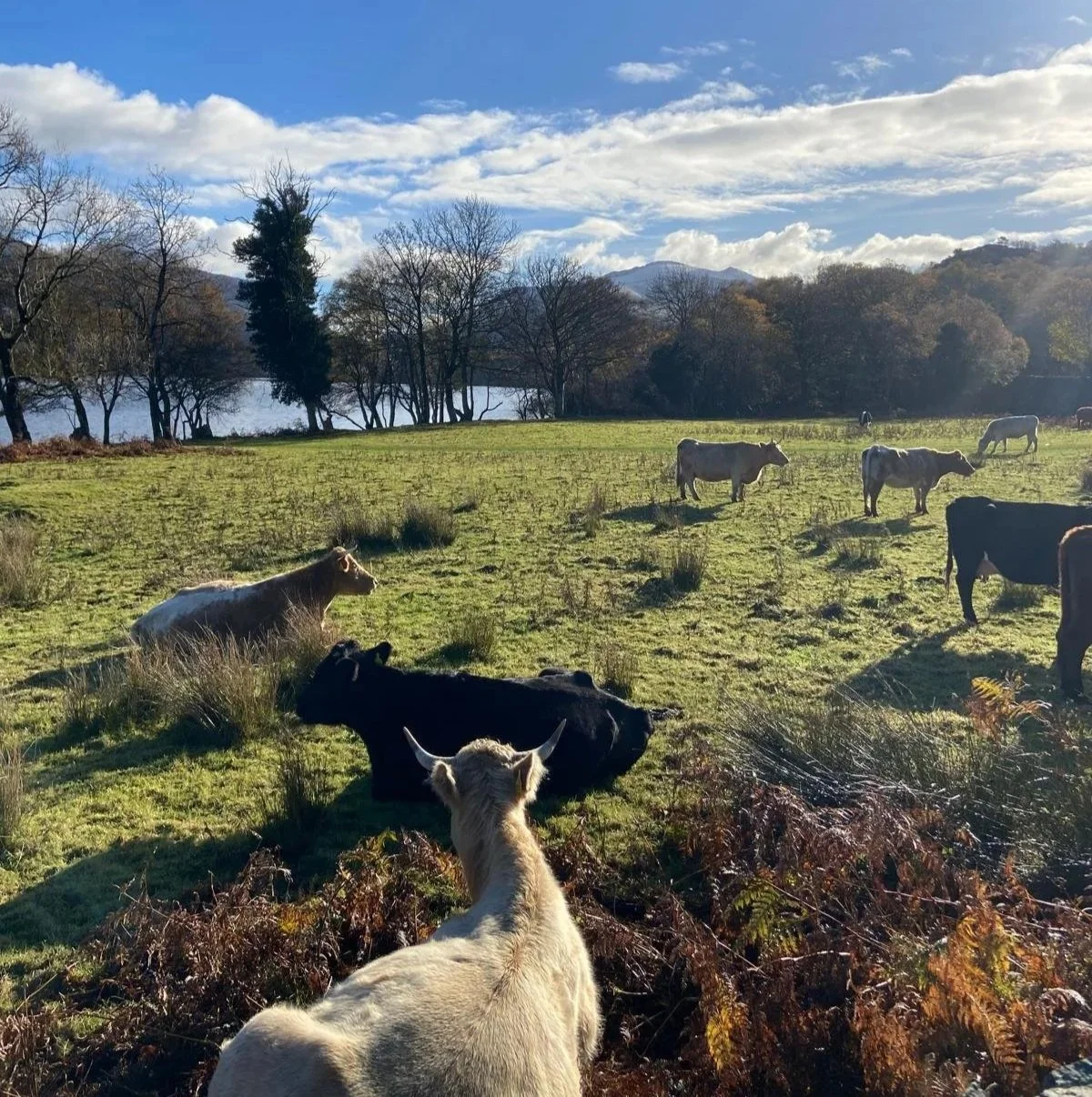
Installing fencing along riverbanks controls livestock access and reduces the direct impact of cattle and sheep on the river environment.
Unrestricted livestock access can cause poaching, where animals trample and damage riverbanks and vegetation, leading to increased erosion and sediment entering the watercourse.
Fencing sensitive riverbank areas allows us to:
Reduce bank erosion: prevenReduce bank erosion: Prevent livestock from trampling banks, helping maintain their structure and stability.ducing the inputs of sediment, soil and nutrients will go a long way to keeping our rivers cleaner and healthier.
Protect river habitats: Allow vegetation to recover, creating better conditions for wildlife and aquatic ecosystems.
Reduce sediment pollution: Limiting bank disturbance helps prevent fine sediment from covering gravels, which are vital spawning habitats for salmon and trout.
Encourage natural regeEncourage natural regeneration: Exclude livestock to allow native vegetation to establish and develop along river corridors.ther key element of our catchment restoration work. Establishing native trees and vegetation alongside the river creates valuable riparian buffer zones which act as a natural barrier between the farmland and the watercourse.
These areas provide several environmental benefits:
Natural filtration: Vegetation intercepts surface runoff, trapping sediment and nutrients before they reach the river.
Stronger riverbanks: Tree roots hold soil together, stabilising banks and reducing erosion.
Climate resilience: Trees provide shade to keep river temperatures lower in warm weather, and healthy riparian corridors help the landscape adapt to changing rainfall and extreme weather.
Improved biodiversity: Native trees offer food, shelter, and habitat for birds, insects, mammals, and other wildlife.
Better river habitats: Fallen leaves, branches, and tree roots provide essential food and habitat for aquatic organisms.
Together, fencing and tree planting provide nature-based solutions that help protect water quality, restore river corridors and make our catchments more resilient to the impacts of climate change.
These schemes are an important part of our wider approach to improving river health across North Wales. By working alongside landowners and local communities, we can deliver practical improvements that benefit both agricultural land management and the natural environment.
With works progressing across the Lledr, Clywedog, Seiont, Gwyrfai and Mawddach catchments, there's plenty happening on the ground.
A big thank you to Jack and Elis for all their hard work in getting these projects delivered, and to the landowners working with us to make these improvements possible.
We're looking forward to seeing the benefits of these schemes develop over the coming years as riverbanks recover, trees establish and our river corridors become healthier and more resilient.
Small changes along our riverbanks can make a big difference to the health of our catchments.
