
Drought in North Wales: What It Means for the Future of Our Rivers
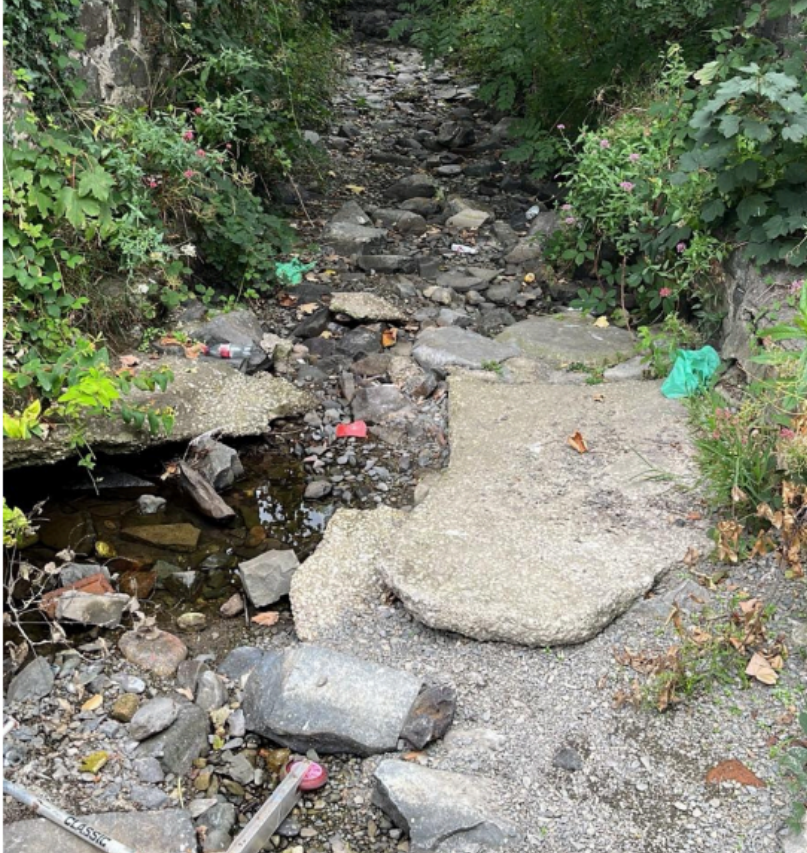
Drought conditions on the Conwy catchment
Large parts of North Wales, including North and South Gwynedd, Conwy, and Clwyd, are currently experiencing drought conditions due to prolonged dry weather and below-average rainfall. Rivers that are usually teeming with life are running low, water temperatures are rising, and the impacts are becoming increasingly noticeable to anyone who spends time outdoors.
For our rivers, drought is more than just a temporary inconvenience. Low water levels decrease the amount of oxygen available, making survival difficult for fish, aquatic insects, and freshwater plants. Species such as salmon and sea trout struggle to migrate upstream when water levels are too low, while young fish may become trapped in isolated pools, making them more susceptible to predators and disease. Even the hardiest species experience increased stress as water temperatures rise.
The recent sight of hundreds of eels trying to ascend the Afon Artro underscores both the resilience and vulnerability of our wildlife. Faced with exceptionally low flows, these eels must navigate waterfalls, weirs, and other obstacles, making their remarkable migration even more challenging. While nature continues to adapt, there are limits to what wildlife can endure.
Climate change is expected to make these drought conditions more common. Hotter summers, longer dry spells, and more intense but less frequent rainfall will likely cause our rivers to fluctuate between drought and flooding, rather than maintaining the steady flows that ecosystems depend on. This creates uncertainty not only for wildlife but also for farming, tourism, recreation, and public water supplies.
The recent increase in woodland and moorland fires across North Wales is another warning sign of our changing climate. Beyond the immediate loss of habitat, these fires can have lasting effects on rivers. Burnt vegetation leaves soils exposed, and when rain eventually returns, ash, sediment and nutrients can be washed into streams, damaging water quality and smothering the gravel beds where fish such as salmon and trout spawn. Healthy forests and peatlands play a vital role in protecting our rivers, making the prevention of wildfires an important part of safeguarding freshwater ecosystems.
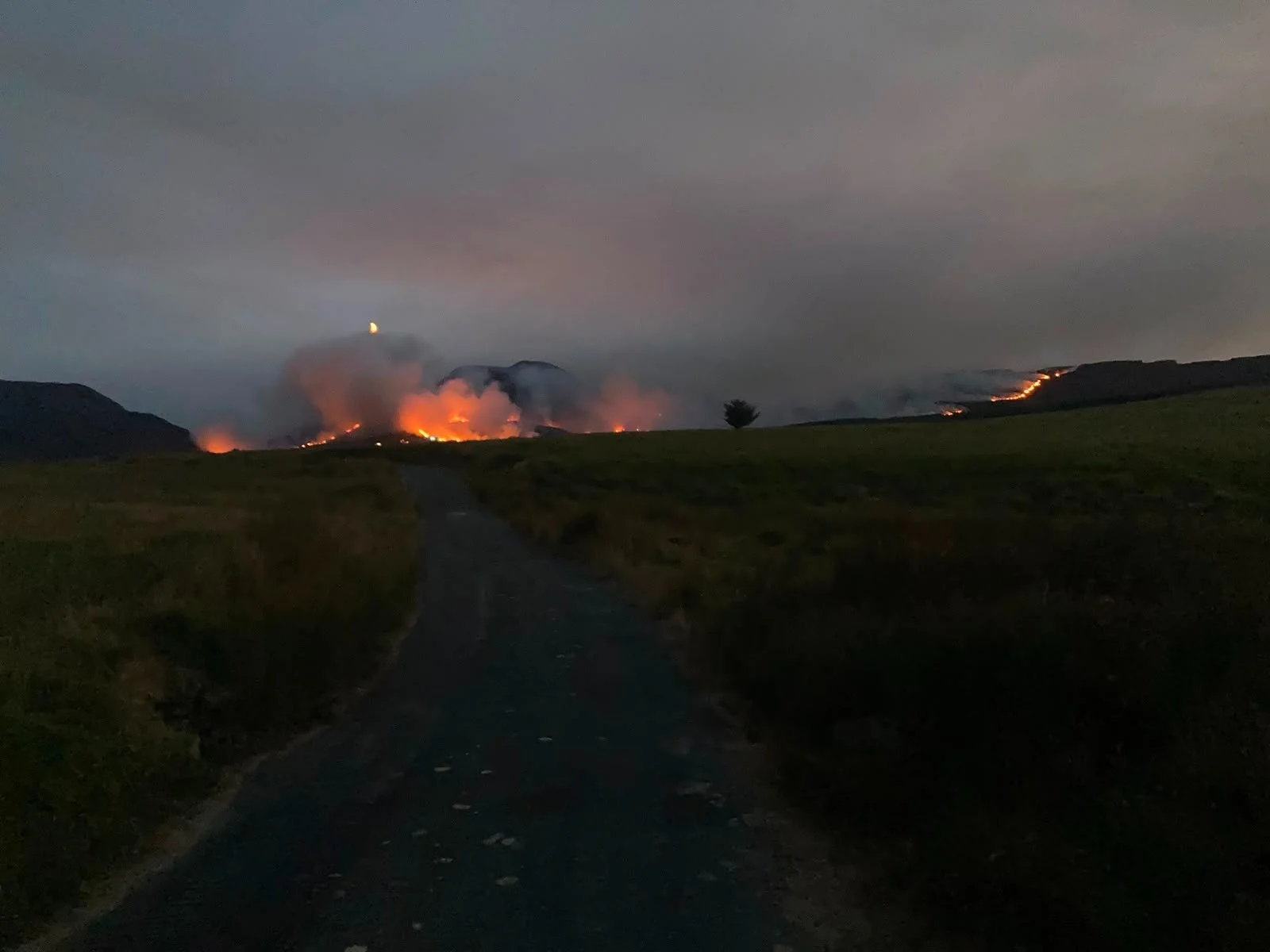
Fires burn near our Freshwater Pearl Mussel Project
The future health of Welsh rivers will depend on our actions today. Restoring wetlands, protecting peatlands, planting riverbank woodlands, reconnecting floodplains, and removing unnecessary barriers can help make rivers more resilient. Additionally, using water more efficiently and reducing pollution will be crucial as pressure on freshwater resources increases.
North Wales is home to some of Britain's most beautiful and ecologically significant rivers, such as the Glaslyn, Artro, Conwy, Clwyd, and Dee. These rivers support iconic wildlife, provide drinking water, sustain local communities, and attract visitors from around the world. Their health is closely linked to the overall health of our landscapes.
Drought serves as a warning that our rivers are changing. Whether these changes become a permanent feature of the Welsh landscape will depend on the choices we make in the coming years. By protecting river habitats, reducing pressure on freshwater resources, and preparing for a changing climate, we can give these remarkable rivers—and the wildlife that depends on them—the best possible chance to thrive for generations to come.Large parts of North Wales, including Gwynedd, Conwy, and Clwyd, are facing drought conditions due to prolonged dry weather and below-average rainfall. Rivers that are typically full of life are running low, and rising water temperatures are increasingly impacting local ecosystems.
Droughts significantly reduce oxygen levels in the water, making survival difficult for fish, aquatic insects, and freshwater plants. Species like salmon and sea trout struggle to migrate upstream when water levels are low, and young fish may become trapped in isolated pools, facing a higher risk of predation and disease.
The sight of hundreds of eels trying to swim up the Afon Artro demonstrates the resilience and vulnerability of our wildlife. They must navigate various obstacles during these low flows, highlighting the challenges posed by changing conditions. Climate change is expected to exacerbate these issues, with hotter summers and more erratic rainfall leading to a cycle of drought and flooding that threatens ecosystems, farming, tourism, and public water supplies.
To safeguard Welsh rivers, we must take action now. Restoring wetlands, protecting peatlands, and improving riverbank environments will enhance resilience. Efficient water use and pollution reduction are also vital as pressure on freshwater resources increases.
North Wales is home to some of Britain's most beautiful rivers, which support wildlife, provide drinking water, and sustain local communities. Drought is a warning that our rivers are changing, and the future of these ecosystems depends on our choices today. By protecting habitats and preparing for climate change, we can help ensure these rivers thrive for generations to come.
