
Could Your Dog's Flea Treatment Be Harming Wildlife?
You wouldn't knowingly pour insecticide into a river. But what if it was happening every time your dog went for a swim?
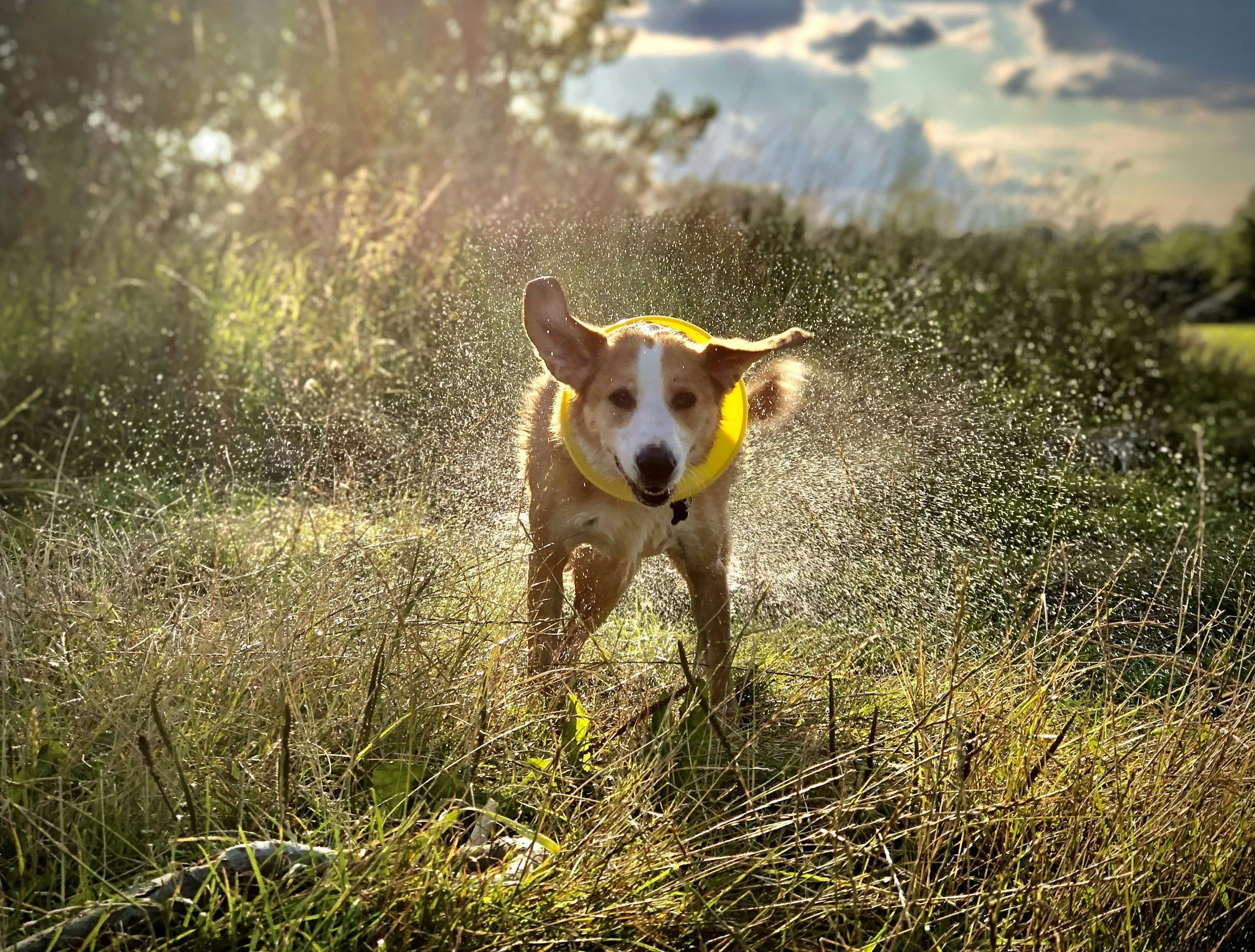
We all love taking our dogs to the river — a swim on a hot day, muddy paws after a woodland walk, a game of fetch along the bank. It's one of the simple pleasures of having a dog.
But something as ordinary as protecting your dog from fleas and ticks might be quietly harming the rivers they love. Most flea and tick treatments contain insecticides strong enough to kill insects, and few of us are ever told that. Worse, those chemicals don't stay on the pet. They wash into rivers through swimming, rain, muddy paws, bedding, drains, even dog waste, and they can stay active for a long time afterwards.
That's a problem because rivers run on insects. They're the foundation of the food web, feeding everything from salmon and trout to dippers, kingfishers, bats and otters. Introduce insecticides into a river and you're not just targeting fleas and ticks, you're putting the insect life that the whole ecosystem depends on at risk.
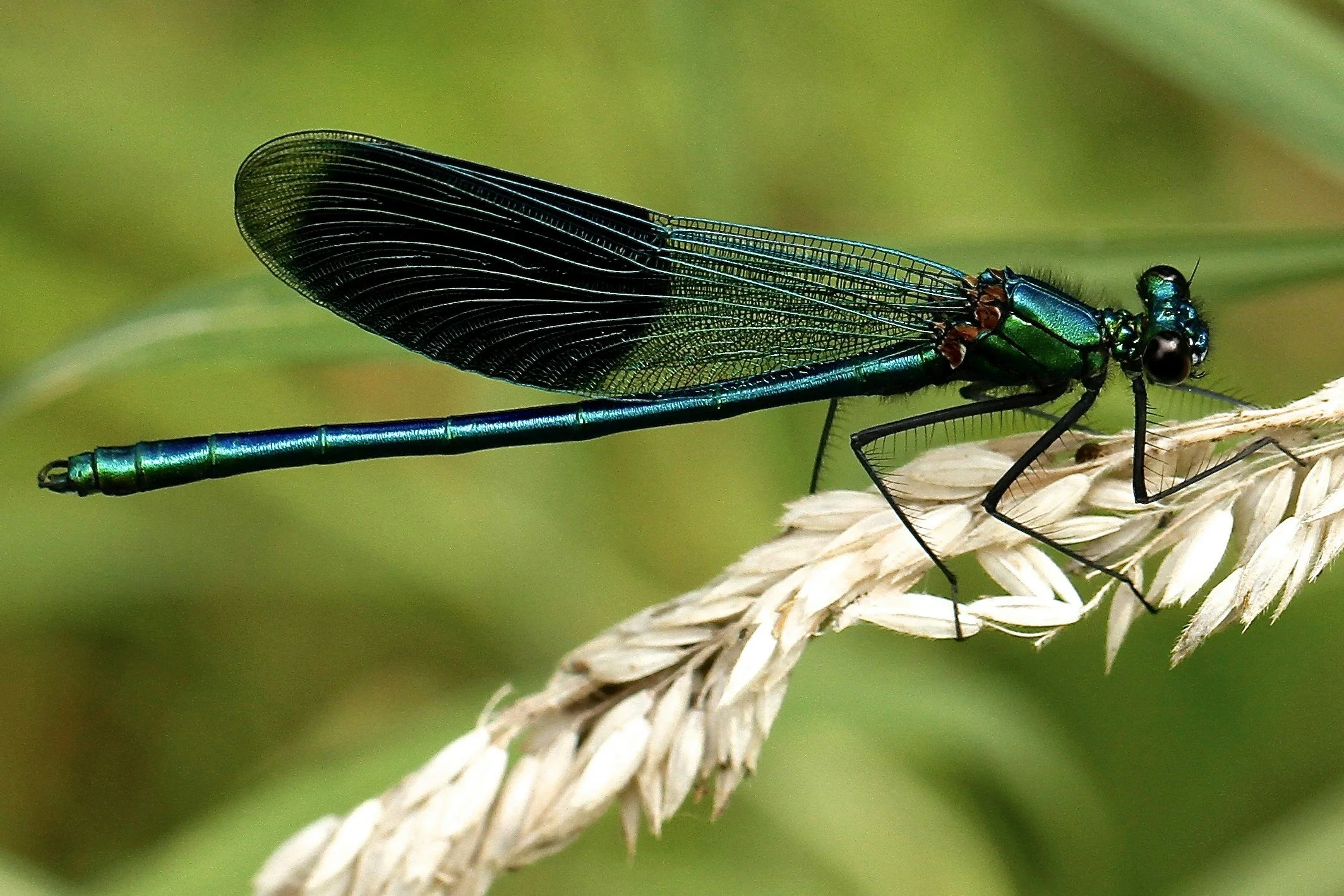
Fipronil and imidacloprid, two of the most common insecticides in flea and tick treatments, have already been banned for agricultural use across the EU because of the damage they cause to the environment. Yet they're still widely used on pets. The chemicals don't know the difference between a flea and a mayfly.
That matters because rivers depend on insects to function. Mayflies, caddisflies and stoneflies sit at the base of the freshwater food web, feeding fish, birds, bats and mammals. When insecticides get into a river, they don't just kill the parasites they're aimed at, they threaten the wildlife that keeps the whole system alive.
The evidence is already there. Fipronil turns up in almost every English river tested, often at more than five times the level considered ecologically safe. It's also been found in fish, in river sediment, in coastal waters, and even in the nests of blue tits and great tits.
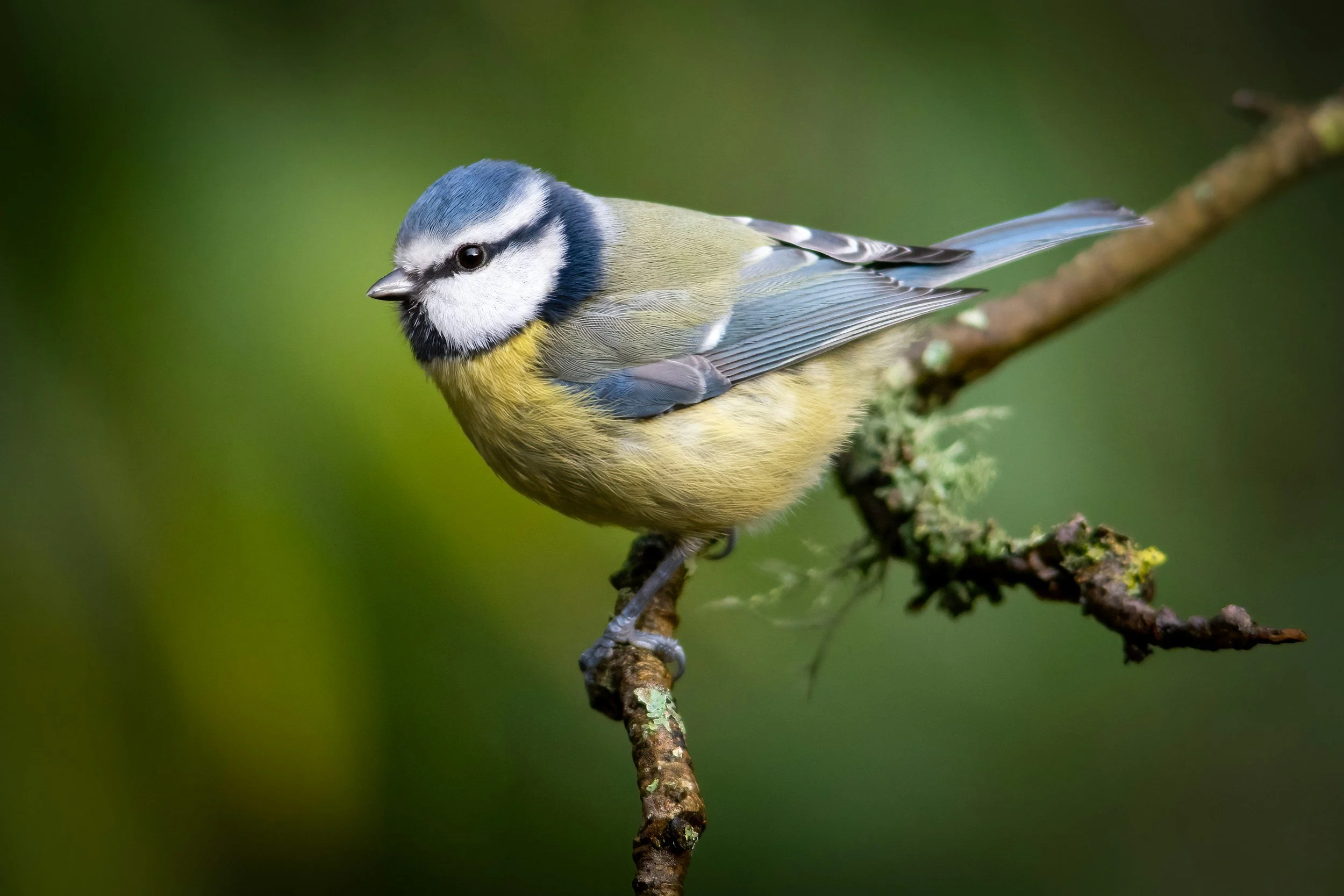
Researchers have found flea treatment insecticides in every blue tit and great tit nest they examined.
Everyone wants to protect their pets, and most people simply don't know these treatments can have consequences beyond the dog. Splash Patrol isn't asking you to stop protecting yours, it's asking you to help protect our rivers too.
That's why we're launching Splash Patrol.
Splash Patrol is a growing movement of dog owners, river lovers, anglers, paddleboarders, swimmers and families who believe we can make a difference together. Talk to your vet about the treatment that actually suits your dog's lifestyle, avoid letting recently treated dogs swim in rivers, always pick up after your dog, and help spread the word. Small changes like these add up to less insecticide reaching our waterways.
Rivers are already under enormous pressure from sewage, agricultural runoff, habitat loss and climate change. This is one source of pollution we can actually do something about.
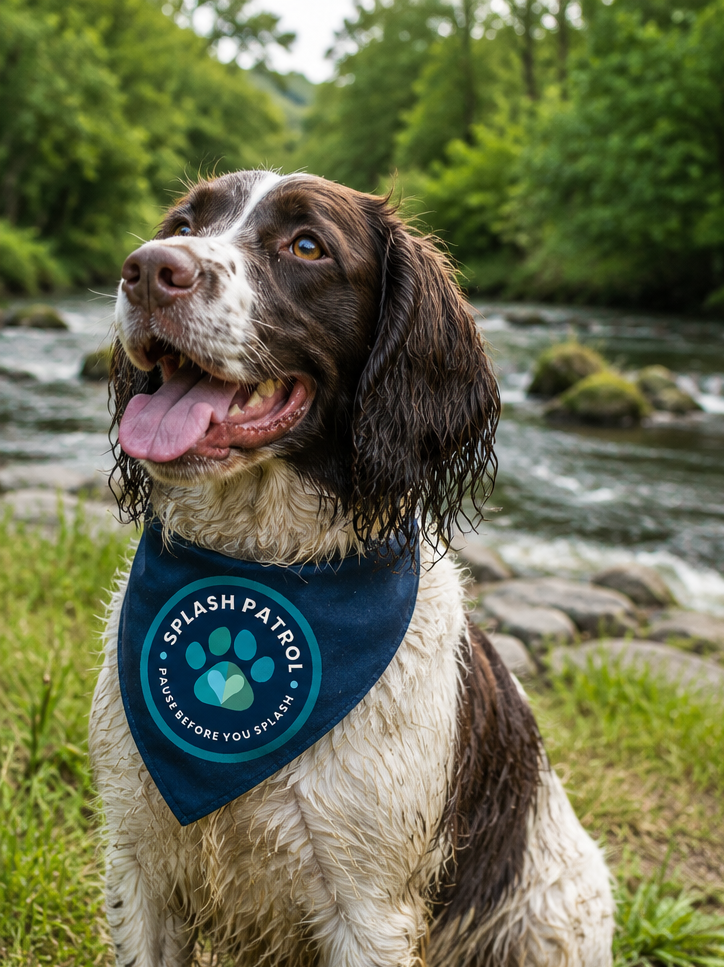
Want to show your support? You can purchase your own Splash Patrol embroidered badge through our online shop and help support our work protecting North Wales' rivers.
Even better, thanks to the generous support and donation from Pant Glas Dog Activity Group to support this campaign, we're giving away the first 20 embroidered badges completely free. Simply get in touch with us to claim yours, and we'll post it to you while stocks last.
Wear it on your backpack, dog lead bag, jacket or life vest. Start conversations. Share the message. Inspire others.
Because every movement begins with people willing to act.
Protect your dog. Protect your river.
